People Partnerships
Development
Landsec policy recommendations for a BBC Charter Review
25 March 2026
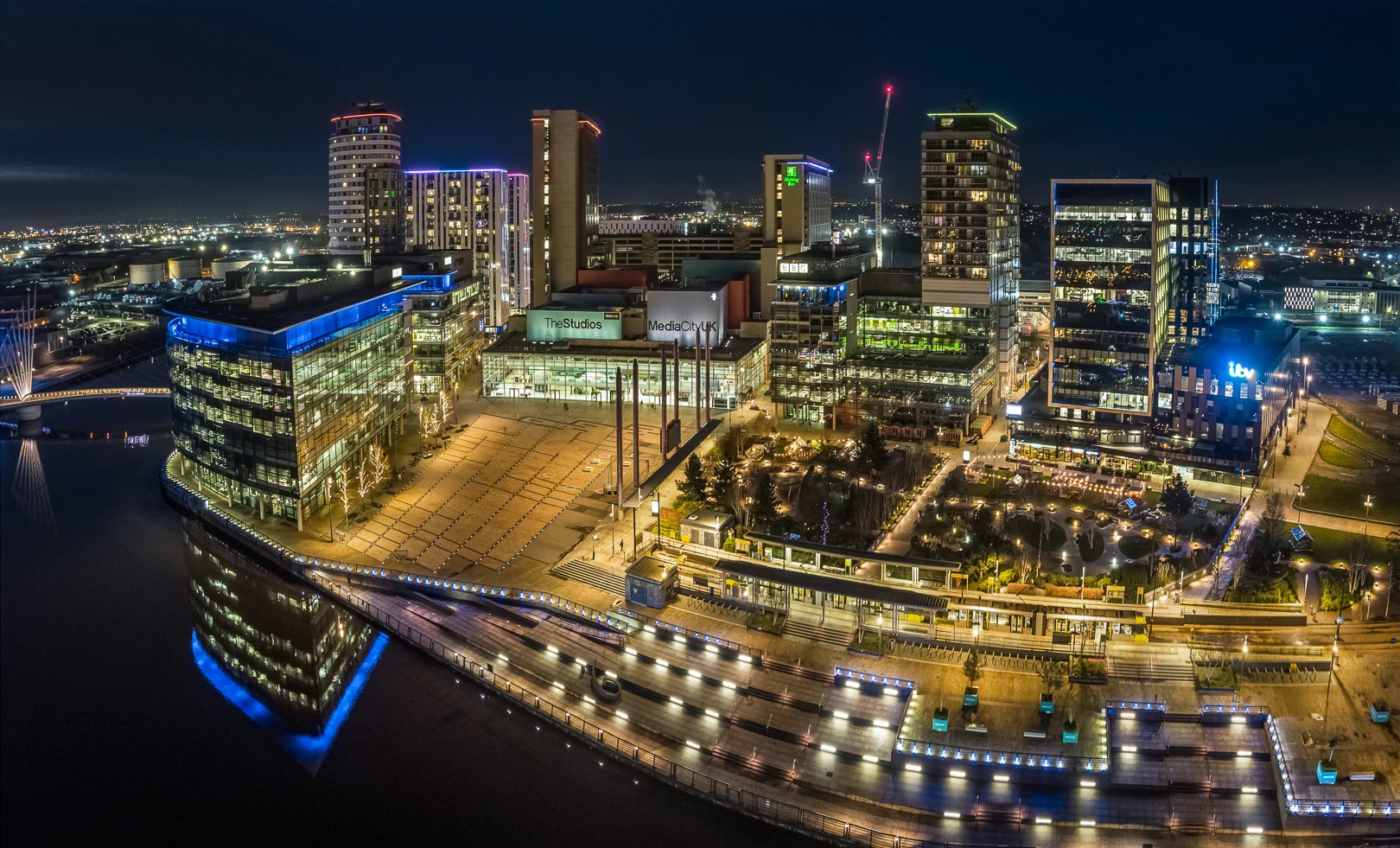
The BBC is a treasured national institution. It’s central to our identity, cultural life and the success of the UK’s creative industries. And it remains one of our country’s most powerful soft-power assets, which in an increasingly uncertain world, has never been more important.
While there’s no doubt the BBC faces serious challenges around trust and credibility, there remains a hunger for impartial news, trusted education and children’s output, and uniquely British content. We believe the solution is not to turn inward, but to be bolder, prouder and more ambitious.
The Government’s Green Paper proposal to embed a clear obligation on the BBC to drive economic growth, skills and the creative economy across the UK is welcome. However, structural reform is required if this ambition is to be delivered in practice rather than remaining fleeting or aspirational.
Our policy recommendations
-
Safeguard a truly independent BBC
The greatest threat to the BBC’s future is not competition from global streaming services (significant though that is), but a loss of public confidence in its independence.
Policy ask:
-
Reform BBC governance to establish a fully independent Board, with no political appointees
-
Deliver genuine and permanent devolution, with leadership anchored in the North
Previous “out of London” initiatives have failed to embed lasting change. While there has been some success (the BBC’s move to Salford created over 2,000 jobs by 20201 and increased the number of creative firms locally by 105%2), it must go further and faster.
Senior roles and commissioning spend may relocate, but decision-makers often remain London-based, leading to an inevitable drift of power back to the capital. Commissioning quotas and regional production targets alone do not address where real influence sits.
Without a permanent shift in senior leadership location, devolution efforts risk being temporary and symbolic rather than transformational.
Policy asks:
-
Require the next Director-General and majority of senior executive unit roles to be permanently based in the North, demonstrating genuine commitment to regional growth and creative potential
-
Permanently devolve funding and decision-making beyond London and the South East, recentring BBC leadership and authority so decision-making, investment and influence are rooted across the UK
-
Build a BBC that truly reflects the whole nation
This isn’t just about geography, which it has yet to achieve, but in the stories the BBC tells and the people who work for it.
Policy asks:
-
Ensure better reporting on social mobility efforts and track what works and what doesn’t, to better connect people from under-represented backgrounds into the creative sector
-
Use the BBC’s procurement power to improve practices across the industry, such as requiring third parties to provide paid internships to under-represented groups
-
Close the “Out of London” spend loophole
Current reporting allows spend in the Home Counties to be classified as “out of London”, undermining the intent of regional investment commitments. When evidence suggests that every two BBC jobs creates an additional one in the private sector3, addressing this loophole could directly lead to job creation in the areas it was intended to.
Policy ask:
-
Reform reporting rules to merge London and the South East, preventing Home Counties spend counting as regional investment.
-
Use the license fee to catalyse growth
The licence fee should be used as intended: to pump-prime private investment in UK technology, services and facilities, as it already does for content and programme making. There is significant opportunity for commercial partners to invest in and deliver infrastructure and services, rather than the BBC owning and operating under-utilised assets itself.
This would reduce inefficiencies, avoid costly capital investment, and ensure licence-fee value remains in the UK economy rather than flowing overseas, particularly to US technology providers.
When every £1 the BBC spends already generates £2.63 into the economy4, this is a potentially untapped area of growth.
Policy asks:
-
Require the BBC to use UK-based third-party partners for technology, services and facilities wherever possible
-
Focus BBC time, funding and expertise on the activities only the BBC can deliver
-
Extend the charter period to improve value for money
Although the Charter is nominally ten years, in practice it delivers closer to five or six years of certainty. Renewal discussions begin early, and it takes time for the organisation to regain momentum once a new Charter is granted.
This uncertainty limits the BBC’s ability to secure favourable long-term commercial deals in areas such as real estate, technology and other capital-intensive investments. Third-party providers require longer contract horizons to offer best value.
Policy ask:
-
Extend the BBC Charter to a minimum of 15 years, delivering around 10 years of practical certainty and enabling more cost-effective long-term commercial arrangements.
Moving the Director General to the North would be real BBC leadership
These recommendations formed part of our submission to the Government consultation on the BBC’s next Royal Charter. Alice Webb, CEO of MediaCity and dock10, summarised a few of our headline recommendations in a comment piece for the Sunday Telegraph in March 2026. You can read that here.
YOU MIGHT LIKE

Reimagining the city for gender inclusivity
Building a better future through Landsec Futures
Supporting young people realise their potential
Another milestone for the UKs first net zero carbon commercial development The Forge
